What's Your Ulam?
Core Full-Stack Foundation
The Concept
A demonstration project showcasing my early full-stack development skills by building a complete social platform from authentication to deployment.
The Challenge
As my first major full-stack project, the challenge was to build a complete social application from scratch. That included backend architecture, frontend UX, secure authentication, media uploads, and a production deployment path.
The Solution
Built a full-stack social media platform using Vue.js and Node.js, with JWT-based authentication, a RESTful API architecture, media upload handling, and a responsive frontend. It proved that I could connect frontend and backend concerns into one coherent product.
Impact & Results
- •Successfully built and deployed a complete full-stack application
- •Implemented secure JWT authentication
- •Designed RESTful API with 6+ endpoints for social interactions
- •Built responsive frontend using Vue.js and Quasar Framework
- •Implemented media upload system with image compression
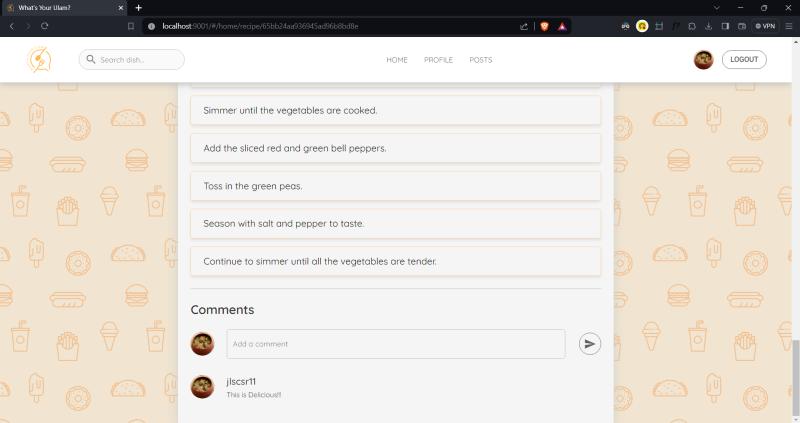
- •Created reusable components for posts, comments, and interactions
The Challenge
Creating a social platform from scratch requires careful consideration of architecture, security, and scalability. The platform needed to support user accounts, media uploads, content interactions, and a mobile-friendly experience. As an early project, it was also a practical test of whether I could own both sides of the stack at once.
Full-Stack Engineering
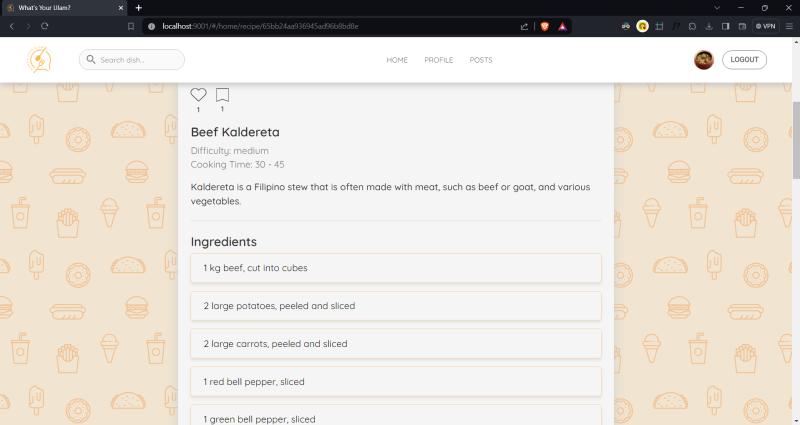
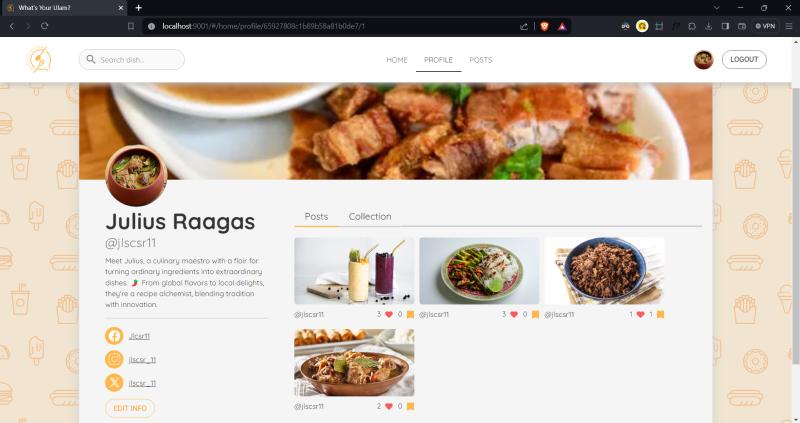
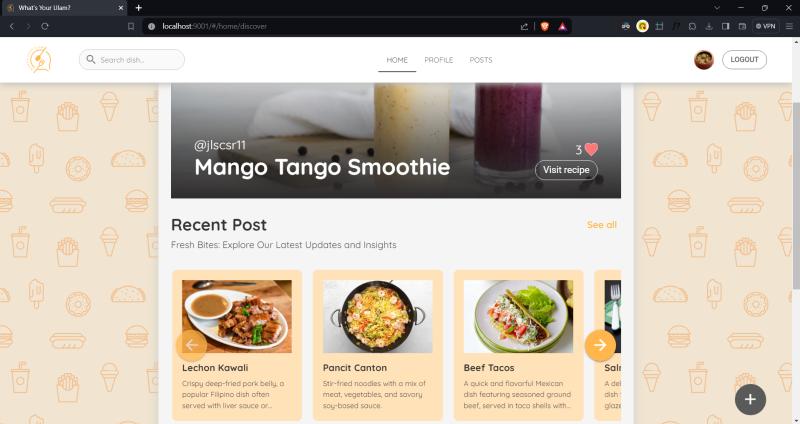
I built a social ecosystem with JWT-based authentication, CRUD flows for recipes and posts, bookmarking, user profiles, follower relationships, and interaction features. The project forced me to think beyond isolated pages and design how the entire system should fit together.
Backend Architecture
The backend was built with Node.js and Express.js around a modular route structure, authentication middleware, validation, and database design tuned for social interactions. It was my first serious pass at turning backend ideas into something structured and reusable.
Frontend and API Integration
On the frontend, I used Vue.js and Quasar Framework to deliver a responsive UI and handle state around authentication, content feeds, and media. A lot of the work was about the handshake between frontend and backend: getting data flow, upload handling, and user feedback loops right.
Key Features
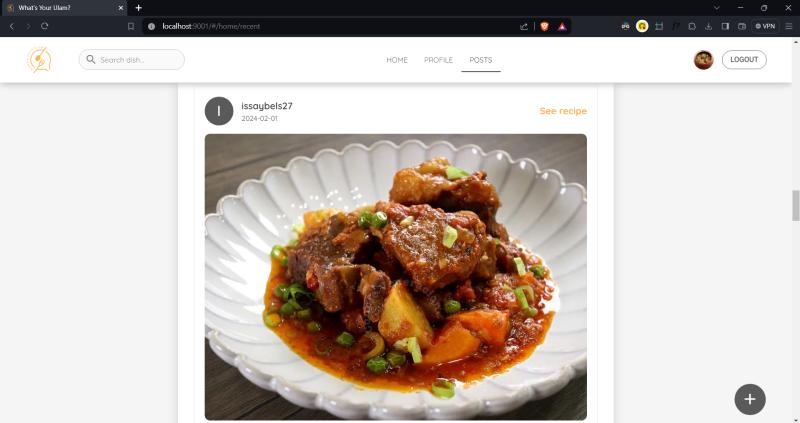
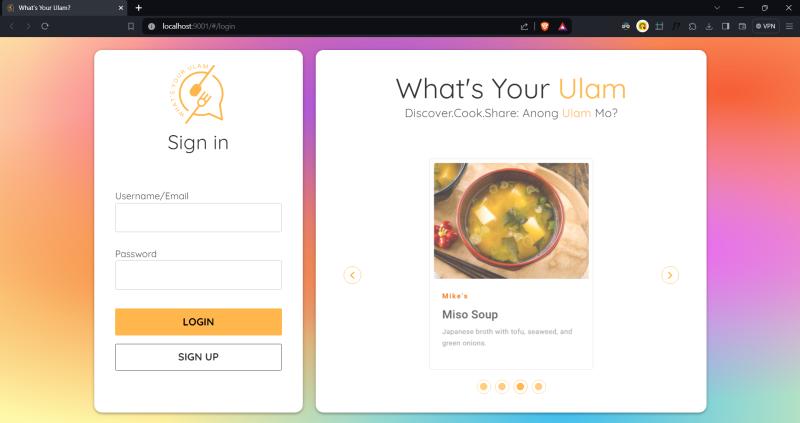
User authentication and profiles, recipe posting with images, comments and replies, likes, bookmarks, following, discovery, categories and tags, responsive layouts, image upload, and notification-ready interaction patterns.
Lessons Learned
This project gave me my first real full-stack foundation. I learned how API design, database structure, frontend state, and deployment decisions all affect each other. More importantly, it showed me I could take a product from idea to working system without staying confined to one layer of the stack.
Project Gallery
Role
Full-Stack Developer