Stillness E-commerce
AI-Native High-Velocity Development
The Concept
A minimalist, high-performance e-commerce platform built to demonstrate ultra-fast delivery capabilities through AI-augmented workflows.
The Challenge
Modern e-commerce platforms typically take weeks to build. The challenge was to prove that AI-augmented development could deliver production-ready applications in a fraction of the time without sacrificing code quality, performance, or user experience.
The Solution
Leveraged advanced prompt engineering and AI-assisted development workflows to architect and build a full-featured e-commerce platform in 72 hours. Automated component scaffolding, state management setup, and complex styling while maintaining production-quality standards.
Impact & Results
- •72-hour development cycle (typical timeline: 2-3 weeks)
- •Lighthouse Performance Score: 97/100
- •40+ reusable UI components created
- •80% reduction in traditional development time
- •Fully responsive across all device sizes
- •100% type-safe with TypeScript
The Challenge
Traditional e-commerce development involves significant time investment in boilerplate code, component setup, and styling. The goal was to demonstrate how AI-augmented workflows could dramatically accelerate development while maintaining professional standards. This was not about cutting corners. It was about using AI well enough to remove friction from the build process.
AI-Native Workflow
I engineered and deployed the platform in a 72-hour window by using AI for component scaffolding, repetitive logic, and layout acceleration while keeping architecture and business logic decisions intentional. The workflow was iterative: generate, evaluate, refine, and keep only what met the quality bar.
Technical Architecture
The application uses Vue.js and Nuxt.js for frontend structure and performance, Pinia for state management, and a design system built with SCSS and Tailwind CSS. The architecture was organized around fast assembly without turning into an unmaintainable mess once the deadline pressure hit.
Development Efficiency
AI-assisted workflows handled a large share of the repetitive build surface: component boilerplate, state modules, validation scaffolding, and responsive patterns. That compressed the time spent on setup and made more room for performance tuning, user flow decisions, and production cleanup.
Key Features
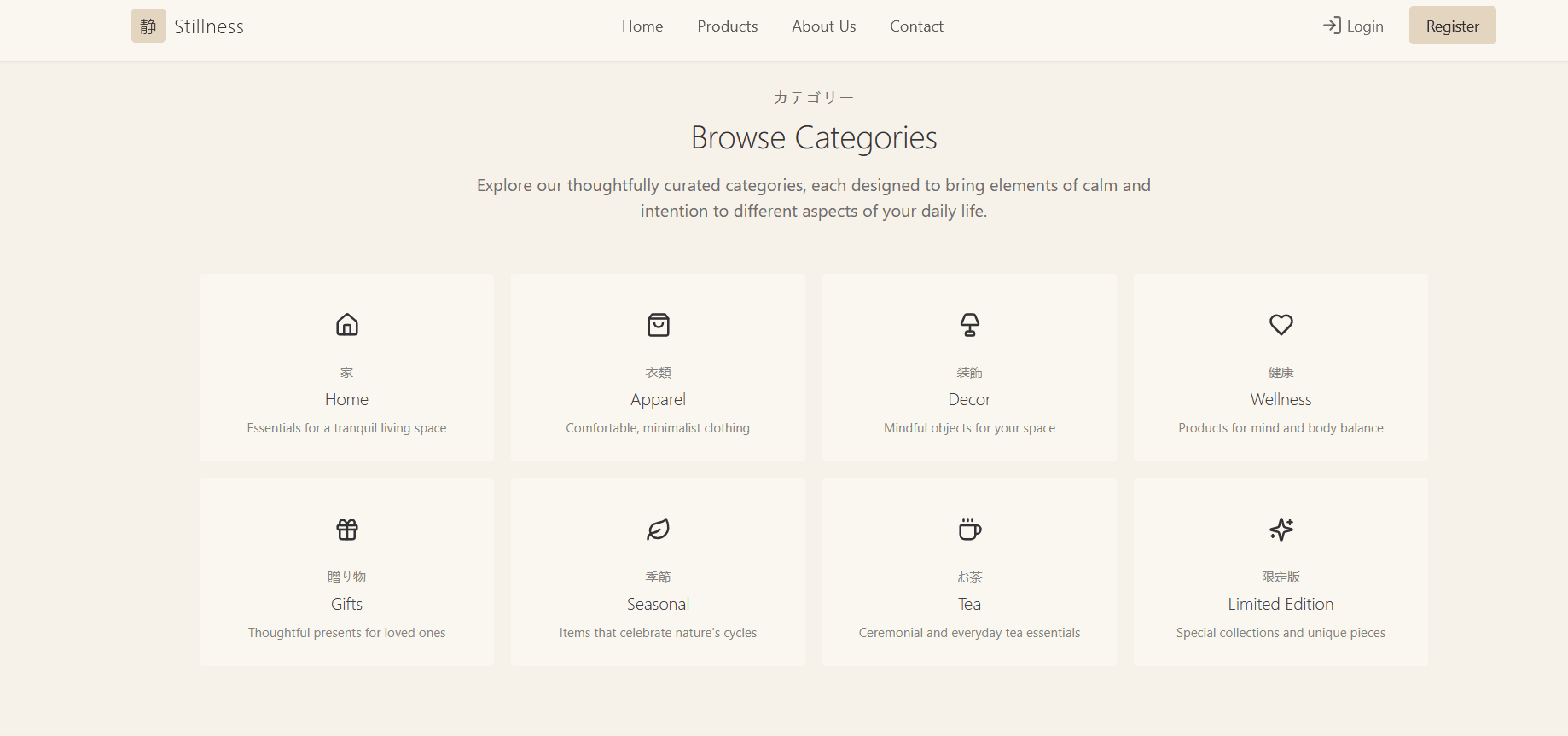
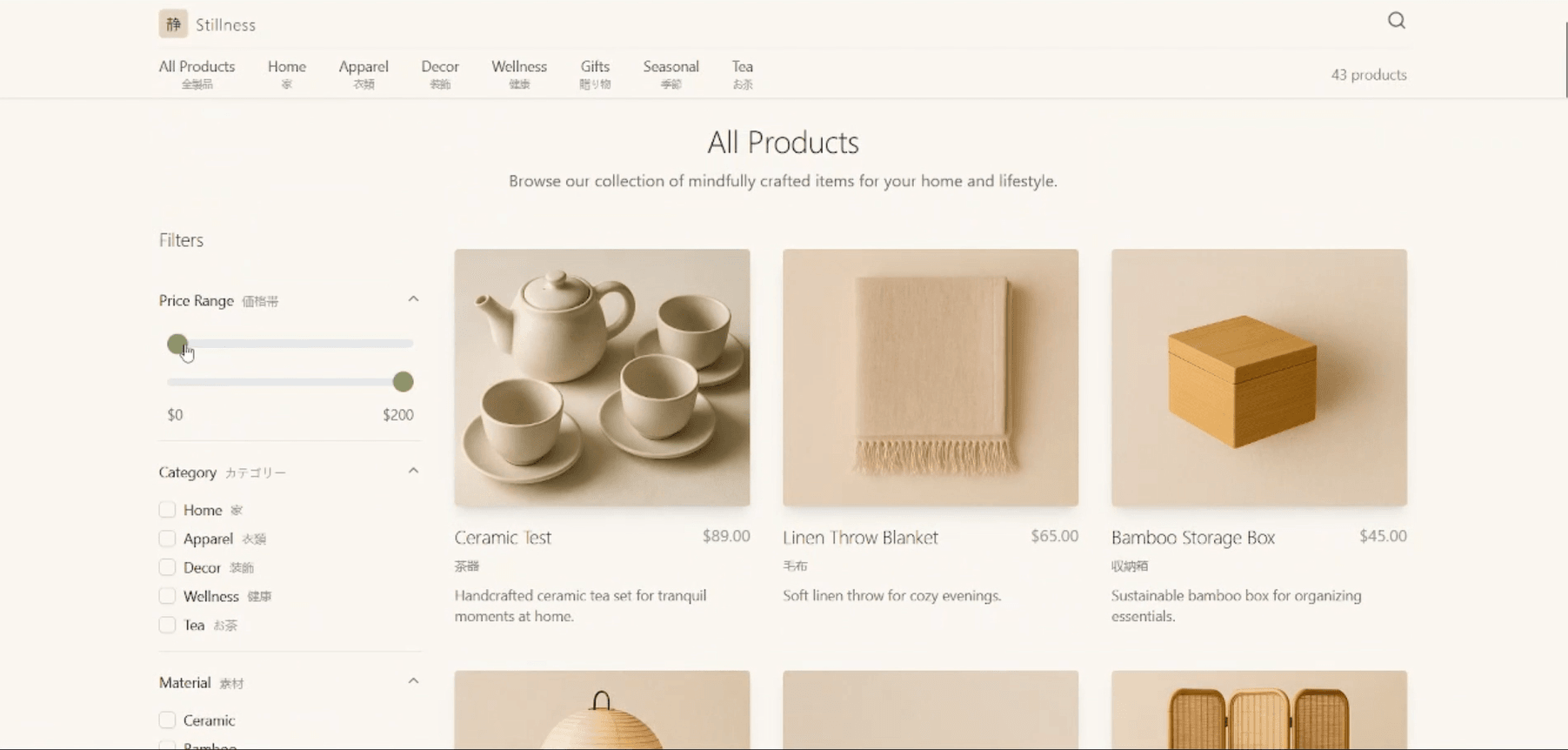
Product catalog with advanced filtering, shopping cart updates, secure checkout flow, user authentication, order history, admin tooling, inventory workflows, payment integration, and mobile-first responsiveness.
Lessons Learned
This project validated that AI can accelerate implementation aggressively when paired with strong review and architectural judgment. The biggest lesson was that speed is only useful if the resulting system is still understandable, testable, and worth maintaining after launch.
Project Gallery




Role
AI-Native Full-Stack Developer